


When Latriece Watkins was named President and CEO of Sam’s Club, the announcement moved quickly across the business world. A Spelman College alum taking the helm of one of the most powerful membership-based retailers in the country is notable, but the real significance of this moment lies in what came before it.
Watkins’ rise is not the result of a sudden promotion or an external hire—it is the outcome of nearly three decades spent mastering the inner workings of Walmart, one of the most complex corporate ecosystems in the world.
Watkins began her career at Walmart in 1997 as a real estate intern, steadily moving through leadership roles that spanned merchandising, human resources, and operations. That depth matters.
Sam’s Club serves tens of millions of members and operates at a scale that places it in direct competition with Costco. Leading a business of this size requires more than visibility—it requires institutional fluency, operational discipline, and long-earned trust.
Why Sam’s Club Trusted a Spelman Alum With a Multi-Billion-Dollar Brand
Too often, executive appointments involving Black leaders are framed primarily through the lens of representation. In Watkins’ case, the more accurate lens is trust. Before stepping into the CEO role, she served as Executive Vice President and Chief Merchandising Officer for Walmart U.S., overseeing product strategy and customer experience across thousands of stores nationwide. That role placed her at the center of decisions that directly shaped Walmart’s competitive posture and positioned her as a natural successor to lead Sam’s Club at a pivotal moment.
As Fast Company has noted, Sam’s Club is increasingly focused on private-label growth, digital integration, and attracting higher-income members—strategic priorities that align closely with Watkins’ background in merchandising and operations. Her appointment signals that Walmart is prioritizing leaders who understand both the consumer-facing and backend realities of retail at scale. This is not a symbolic role; it is a mandate to steward a business that generates more than $90 billion annually in an industry where margins are thin and execution is unforgiving.
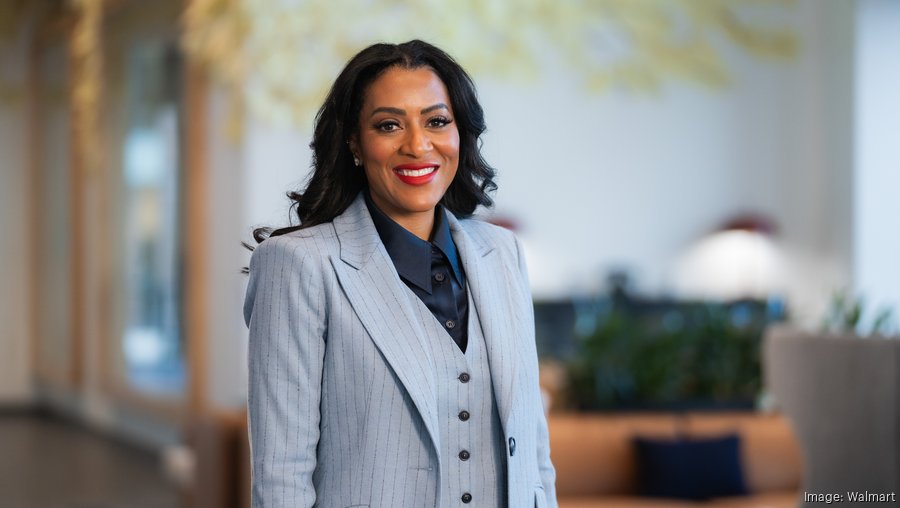
What Latriece Watkins’ Appointment Signals About HBCUs and Corporate Power
Watkins’ ascent also reflects a broader shift in how HBCU graduates are positioned within corporate America. As companies place greater value on leaders who can navigate complexity and sustain performance over time, executives trained in HBCU environments are increasingly trusted with real authority. Institutions like Spelman have long emphasized critical thinking, resilience, and leadership under pressure—skills that translate directly to enterprise decision-making.
Rather than being framed solely as pipelines for entry-level talent, HBCUs are proving to be pipelines for long-term leadership. Watkins’ journey reinforces that narrative. Her success is not rooted in being a first or an exception, but in being prepared. That distinction matters for students and alumni watching closely, because it reframes corporate advancement as something built through proximity to power, not distance from it.
A Blueprint, Not a Moment
Latriece Watkins becoming CEO of Sam’s Club is not a viral moment—it is a power shift built on patience, mastery, and trust. From her education at Spelman to her decades-long career inside Walmart, Watkins’ path illustrates what the long game of leadership looks like when opportunity meets preparation. For the HBCU community, this moment serves less as a celebration and more as confirmation: when leaders are developed with intention and depth, the ceiling doesn’t just crack—it quietly moves.