


Israeli Artists at Xavier University Spark Global Cultural Exchange
Israeli artists are building cultural bridges at Xavier University of Louisiana, the nation’s only Catholic HBCU, through a powerful arts residency that uses music as a vehicle for global dialogue, shared history, and mutual understanding. At a time when conversations about identity, faith, and geopolitics are increasingly polarized, the presence of Israeli artists on an HBCU campus has created space for nuanced engagement rooted in creativity rather than conflict.
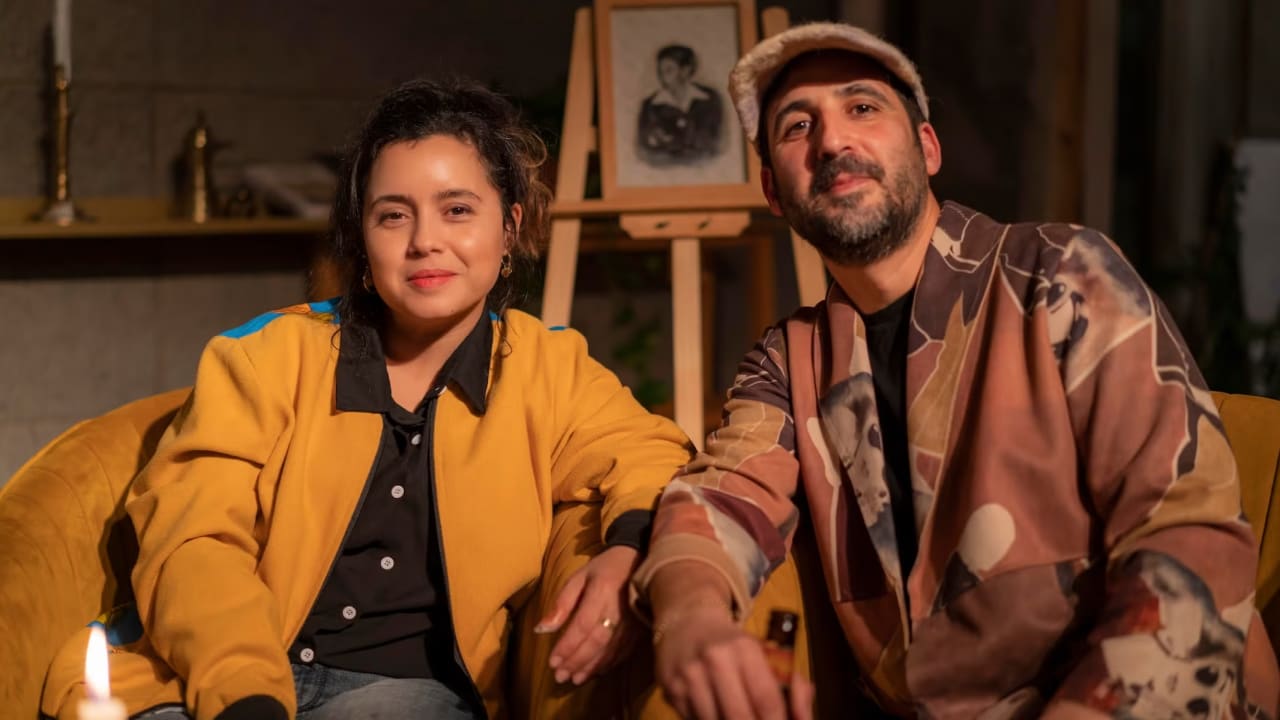
The residency brought Israeli musicians Neta Elkayam and Amit Hai Cohen to Xavier’s New Orleans campus, where they worked directly with students through workshops, classroom discussions, and live performances. Their music—deeply influenced by North African Jewish traditions, Middle Eastern sounds, and contemporary global rhythms—served as both an educational tool and a conversation starter, inviting students to explore how culture preserves memory and identity across generations.
Israeli Artists at Xavier University Engage Students Through Music and Identity
Throughout the residency, students were encouraged to engage beyond surface-level exposure, examining how music functions within marginalized communities as a form of survival, resistance, and storytelling. Xavier students shared their own experiences shaped by Black American history and the legacy of Historically Black Colleges and Universities, drawing parallels between their cultural inheritance and the artists’ Jewish diasporic traditions.
The exchange emphasized mutual learning rather than instruction. Students collaborated musically with the artists, explored lyrical themes connected to displacement and belonging, and discussed how faith and tradition influence artistic expression. These conversations resonated deeply on a campus defined by its Catholic mission and commitment to social justice, reinforcing Xavier’s role as a space where global perspectives are welcomed and critically examined.
Israeli Artists at HBCUs Expand Dialogue Beyond the Classroom
The Xavier residency is part of a broader effort to bring Israeli artists to HBCUs nationwide through arts-based cultural exchange programs. These initiatives are designed to foster authentic dialogue by prioritizing personal stories and creative collaboration over political framing. By centering art, students are able to engage complex global realities in ways that feel human, accessible, and emotionally grounded.
Programs supporting these residencies emphasize relationship-building and long-term understanding, ensuring students are not passive audiences but active participants in the exchange. This approach reflects a growing recognition of HBCUs as vital spaces for international engagement, particularly when discussions involve history, identity, and global power dynamics.
Why Xavier University Is Central to This Cultural Exchange
Xavier University’s participation holds particular significance. As the only Catholic HBCU in the United States, Xavier occupies a unique position at the intersection of faith, Black intellectual tradition, and global awareness. Its longstanding mission to educate students for leadership and service aligns closely with initiatives that promote cross-cultural understanding and ethical engagement.
The university’s location in New Orleans—an epicenter of musical innovation and cultural fusion—further amplified the residency’s impact. Students were able to situate Israeli musical traditions alongside the city’s own history of blending African, Caribbean, and European influences, reinforcing the idea that cultural exchange is not an abstract concept but a lived, local experience.
Israeli Artists at Xavier University Highlight the Role of HBCUs Globally
As HBCUs continue to expand their influence beyond national borders, programs like this residency underscore their importance in shaping global conversations. Xavier’s hosting of Israeli artists demonstrates how HBCUs can function as bridges between communities that may appear distant yet share common experiences of resilience, marginalization, and cultural preservation.
For students, the residency offered a reminder that global engagement does not require abandoning one’s own history. Instead, it showed how honoring different narratives can deepen understanding of one’s own identity. For the artists, the experience reinforced the relevance of HBCU campuses as spaces of intellectual rigor, cultural pride, and meaningful dialogue.
Ultimately, the residency at Xavier University affirmed the power of art to transcend boundaries and foster connection. By bringing Israeli artists into conversation with HBCU students, the program highlighted how creativity can open doors to understanding that traditional discourse often cannot—positioning Xavier as a model for how HBCUs can lead in global cultural exchange.